The beauty shelf has quietly started looking like a tech drawer. LED masks, acne zappers, microcurrent tools, heated brushes, IPL hair-removal devices, facial massagers — suddenly, skincare is not just cleanser, serum, moisturiser anymore. ELLE’s 2026 Tools and Treatments Awards made this shift feel even more obvious, with editors testing hundreds of tools and treatments across skin, hair, body and professional categories. But for Indian buyers, the real question is not “what looks futuristic?” It is simpler: what will actually earn its place in your routine after the excitement fades?
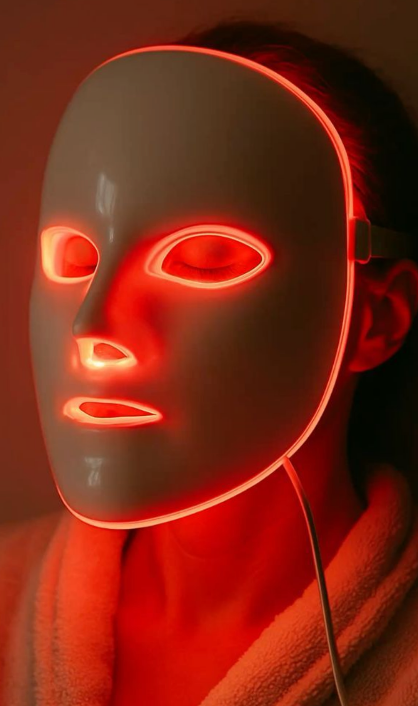
The easiest way to judge a beauty device is by concern, not by hype. For mild acne, blue or red-blue LED tools can be a “buy carefully” category if the device is credible, the instructions are clear, and expectations stay realistic. For dullness or early fine lines, red LED masks are more of a slow-burn purchase; they need consistency, not one dramatic Sunday night session. Facial massagers and gua sha tools are best treated as de-puffing and ritual tools, not face-lift tools. Microcurrent sits in the “wait unless you’ll use it regularly” category because the results are usually subtle and maintenance-heavy. IPL hair-removal devices can be useful for the right skin-and-hair contrast, but they are not universal, especially for deeper Indian skin tones, tanning, very light hair, or sensitive skin. Anything that punctures, heats deeply, or claims clinic-level resurfacing at home deserves a much harder pause.
What makes this trend interesting is that beauty devices sell control. They promise that you can bring the clinic home, reduce salon dependency, fix texture, calm acne, lift the face, remove hair, and look more “managed” without booking an appointment. That is very 2026. Beauty now is not only about looking polished; it is about appearing optimised. In India, the appeal is even sharper because salon visits, dermatologist appointments, bridal prep, acne routines, pigmentation concerns and hair-removal habits are already part of the beauty economy. A device feels like a one-time upgrade. But the smarter read is this: buy the tool only if the problem is repetitive enough, the evidence is decent enough, and the routine is realistic enough.
The contrast is what matters. A ₹500 jade roller and a ₹50,000 LED or microcurrent device should not be judged by the same promise. Under ₹5,000, you are mostly buying convenience, massage, basic cleansing, entry-level LED, or a nice add-on to an existing routine. In the luxury range, you should expect stronger design, better fit, clearer usage protocols, safety features, brand testing, and more serious customer support. But expensive does not automatically mean effective. The best buy is not the fanciest device; it is the one you will actually use three or four times a week without irritating your skin. The best skip is anything that sounds like a shortcut for acne scars, melasma, deep pigmentation, sagging, or “permanent” results without medical supervision.

Maybe that is why beauty gadgets feel so tempting right now. They sit somewhere between skincare, self-care, status symbol and private experiment. You are not just buying a tool; you are buying the feeling that your face, hair or body is being handled with a little more intention. That feeling can be useful. It can also get expensive very quickly. The trick is knowing when the device is solving a real problem — and when it is simply making your bathroom counter look more advanced than your skin actually needs.