Some colours enter your wardrobe loudly. Butter yellow does the opposite. It slips in quietly, softer than lemon, warmer than cream, and far easier to wear than the bright yellows many Indian women avoid because they feel too festive, too haldi, or too attention-seeking. That is why the butter yellow trend feels interesting in 2026. It is no longer just a runway shade or a celebrity colour moment. It is starting to behave like a soft neutral: something you can wear to brunch, office, vacation, college, a small function, or even as one careful accessory when you do not want a full colour commitment.
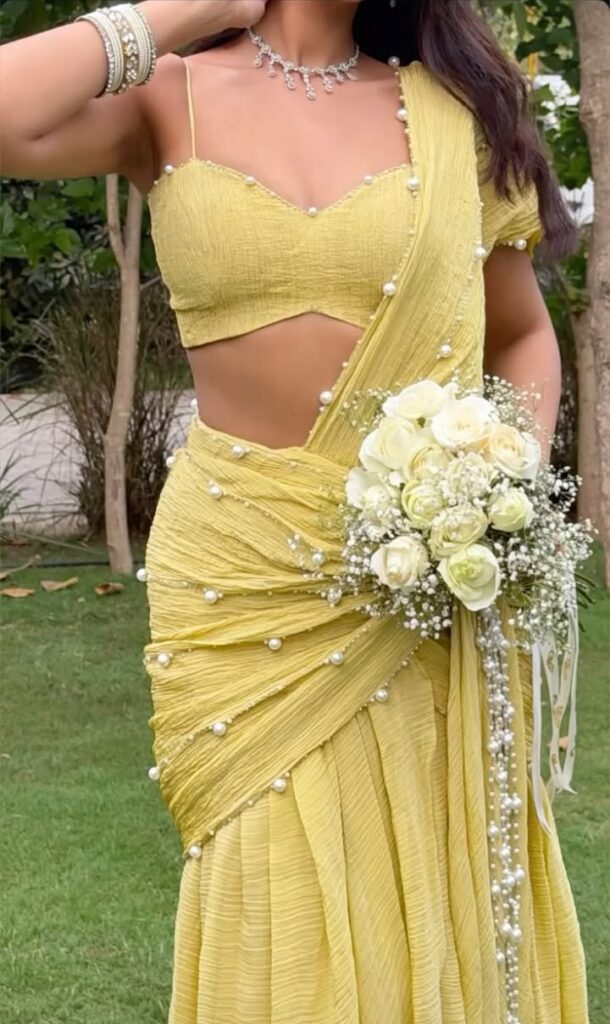
Butter yellow is not one exact shade. For Indian wardrobes, think of it as a family: pale buttercream, soft vanilla yellow, warm custard, muted mango cream and deeper marigold-yellow for anyone who wants more contrast. The easiest way to wear it is through pieces that already feel familiar: a poplin office shirt with beige trousers, a cotton kurta with white pants, a summer dress with tan sandals, a satin blouse with denim, or a small handbag with an otherwise neutral outfit. For fair or cooler skin tones, a creamy vanilla-yellow usually looks cleaner than a greenish yellow. For warm, olive and medium Indian skin tones, custard and golden butter shades tend to sit more naturally. For deeper skin tones, both pale butter yellow and richer golden-yellow can look beautiful, but the finish matters: crisp cotton, fluid satin and structured silhouettes usually look more intentional than flimsy fabric. If yellow near the face makes you feel dull, keep it away from the face through sandals, bags, skirts or trousers.
The reason butter yellow is lasting is simple: it gives colour without demanding a full personality change. Fashion has been moving through food-inspired shades for a while, from chocolate brown to tomato red, but butter yellow feels less dramatic and more wearable. It connects with the larger mood of soft dressing: calm colours, relaxed tailoring, linen textures, pretty blouses, airy dresses and clothes that feel polished without trying too hard. For Indian readers, this is where the trend becomes genuinely useful. A butter yellow kurta can feel fresher than beige. A yellow shirt can soften workwear. A butter yellow dress India shoppers are seeing on retailer edits can work for summer without looking like occasionwear. It signals optimism, but in a controlled way. Not neon happiness. More like, “I want to look fresh, but I still want to look like myself.”
What makes butter yellow stand out from other trend colours is its versatility. Unlike bright yellow, which can feel bold and seasonal, butter yellow slips easily into everyday wardrobes. It pairs naturally with white, denim, tan, chocolate brown and even soft grey, making it surprisingly easy to style. That flexibility is one reason retailers and designers continue to feature it across dresses, shirts, knitwear and accessories. For Indian women, it offers a simple way to add colour without stepping too far outside familiar neutrals. The shade feels fresh, light and modern, while still remaining understated enough for regular wear.
Maybe the appeal of butter yellow is that it does not ask women to perform confidence in the loudest way possible. It lets colour feel gentle. For Indian wardrobes that already move between office wear, ethnic wear, humidity, family functions, commuting and budget decisions, that softness matters. The best trends are not the ones that make you replace everything. They are the ones that help you look at your existing wardrobe and see one new possibility.